9 min read
Five Ways to Build a Program Families Actually Trust
Trust is the currency of enrollment. From transparent forms to instant confirmations, small operational choices determine whether families complete registration.
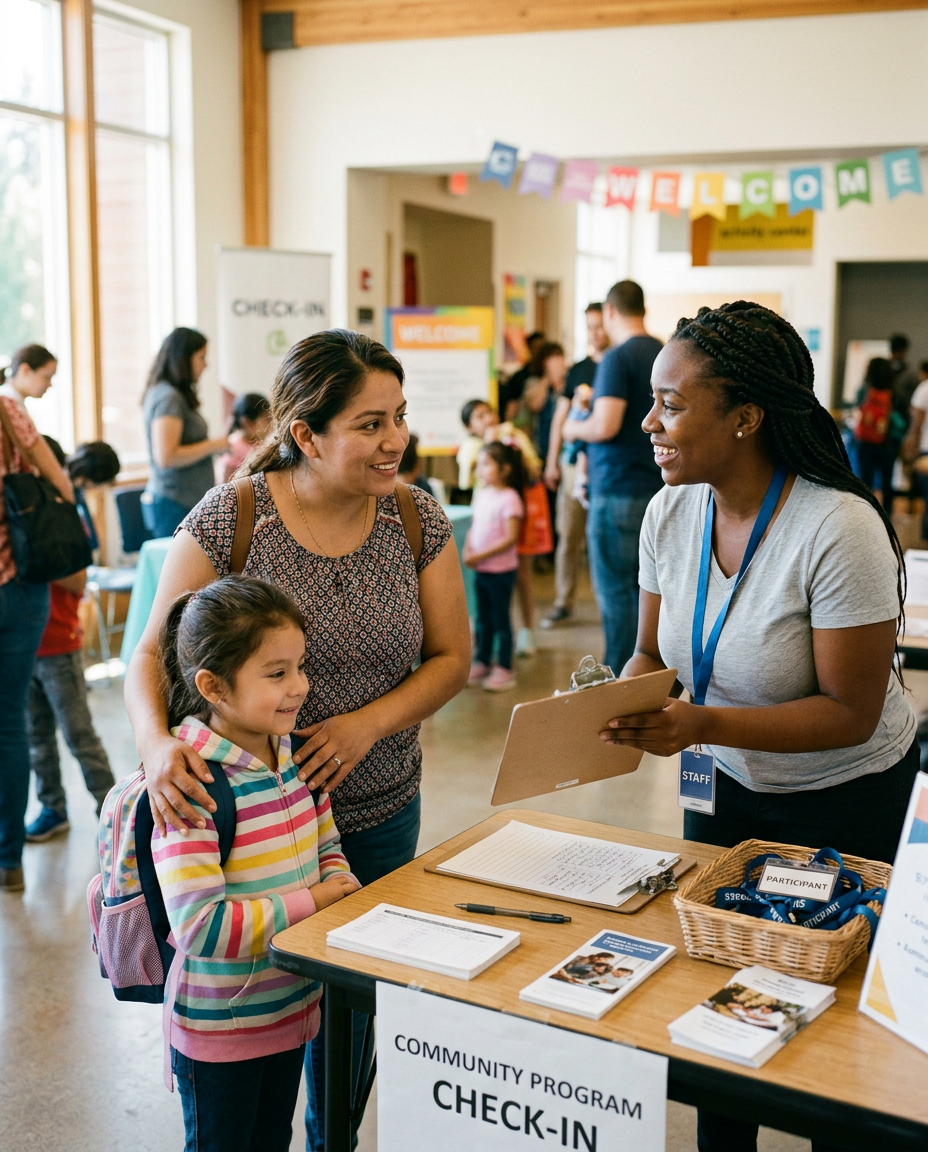
When a parent registers a child for a program, they are handing you far more than a form. They are handing you their trust, their schedule, often their payment information, and the wellbeing of the person they care most about in the world. Everything about that moment either earns that trust or quietly erodes it. The good news is that trust is built through specific, controllable operational choices, not luck. Here are five that decide whether a family completes registration or abandons it halfway.
Make Signing Up Obvious
First, make signing up obvious. Most drop-off happens not because a family lost interest but because the path forward got confusing. If a parent has to hunt for the registration link, decode unclear program options, or guess what happens next, you've introduced doubt at the worst possible moment. A clear, linear sign-up flow, with one obvious next step at every stage, removes the friction that quietly kills conversions and signals that you respect the family's time.
Be Transparent About Cost
Second, be transparent about cost. Nothing erodes trust faster than a surprise fee discovered at checkout, or a vague price that forces a parent to email just to find out what something costs. Show the full price, what's included, and any additional fees up front. Families don't expect everything to be cheap; they expect it to be honest. Clear pricing tells a parent you have nothing to hide, and that confidence carries straight into how they feel about your program overall.
Protect Family Information
Third, protect their information. Families are increasingly aware of how their data and payments can be mishandled, and a single sketchy-feeling form can end the relationship before it begins. Secure forms, sensible permissions, and trustworthy payment handling aren't just compliance checkboxes; they are visible signals that you take a family's privacy as seriously as they do. When the registration experience feels safe, parents complete it without hesitation.
Confirm Registration Instantly
Fourth, confirm instantly. The seconds after a parent hits submit are filled with quiet uncertainty: Did it go through? Am I actually registered? Did my payment work? An immediate, clear confirmation, on screen and in their inbox, closes that anxious gap and replaces doubt with relief. Silence after submission, by contrast, invites second-guessing and support emails, and it makes even a successful registration feel shaky.
Stay Reachable Before and After
Fifth, stay reachable. Trust isn't a one-time transaction; it's reinforced every time a family knows they can get a real answer when something comes up. A visible, responsive way to reach you, before, during, and after registration, tells parents they aren't on their own. Families forgive small hiccups when they know help is a message away, and they remember the program that answered.
None of these five require a bigger staff or a heroic effort. They require a system that treats families with the same care your programming does, handling clarity, transparency, security, confirmation, and communication consistently every time. That's exactly what Assembly was built to deliver: one place for community organizations to publish programs, collect secure forms and payments, confirm instantly, and stay connected with families, so every registration earns the trust it's given.